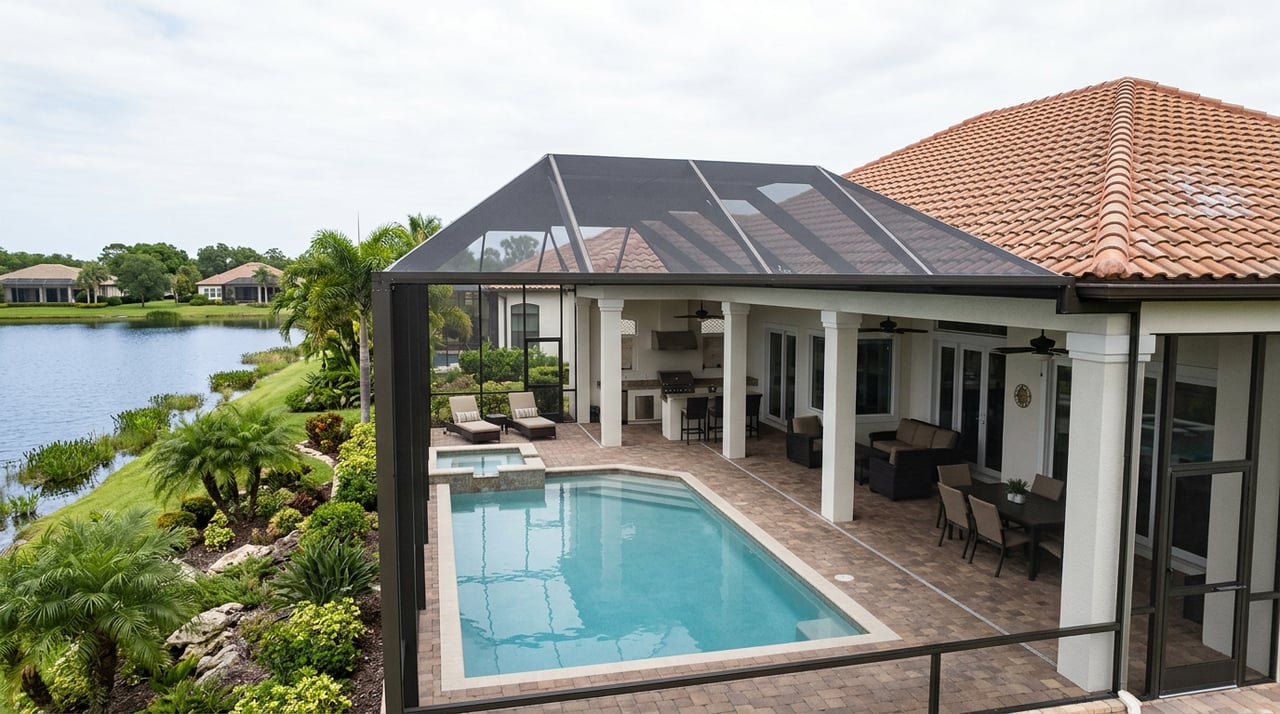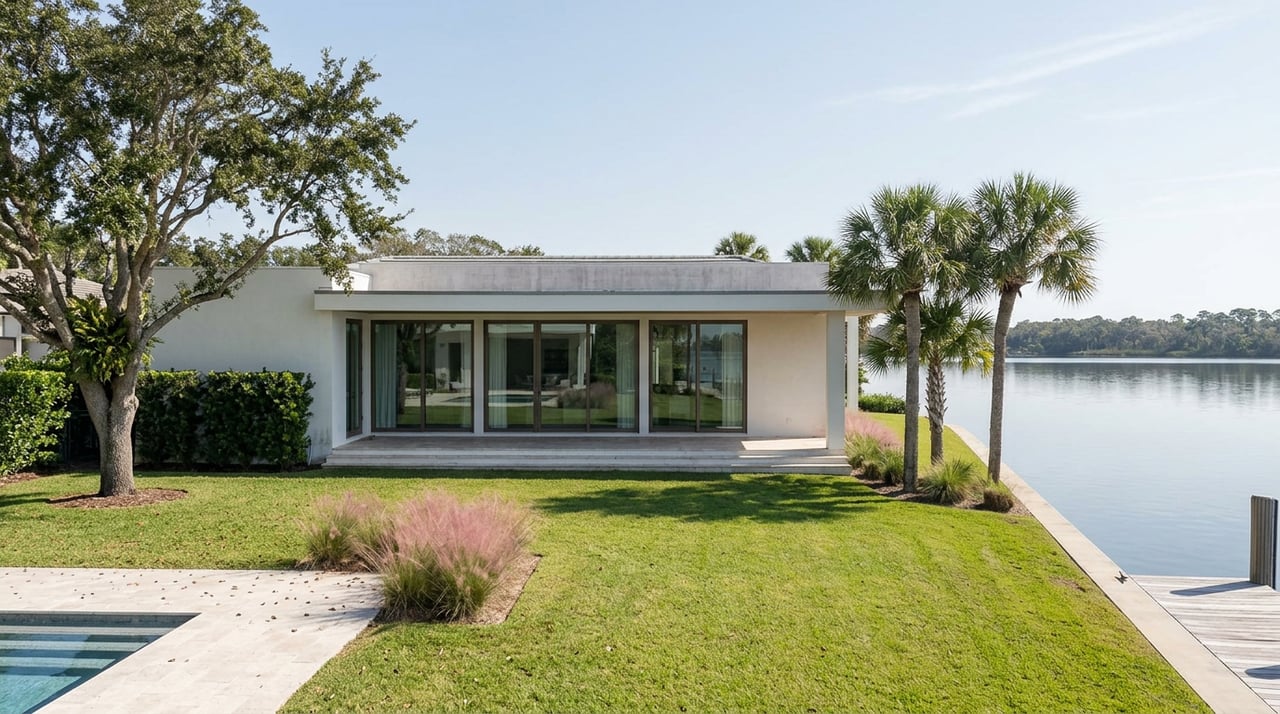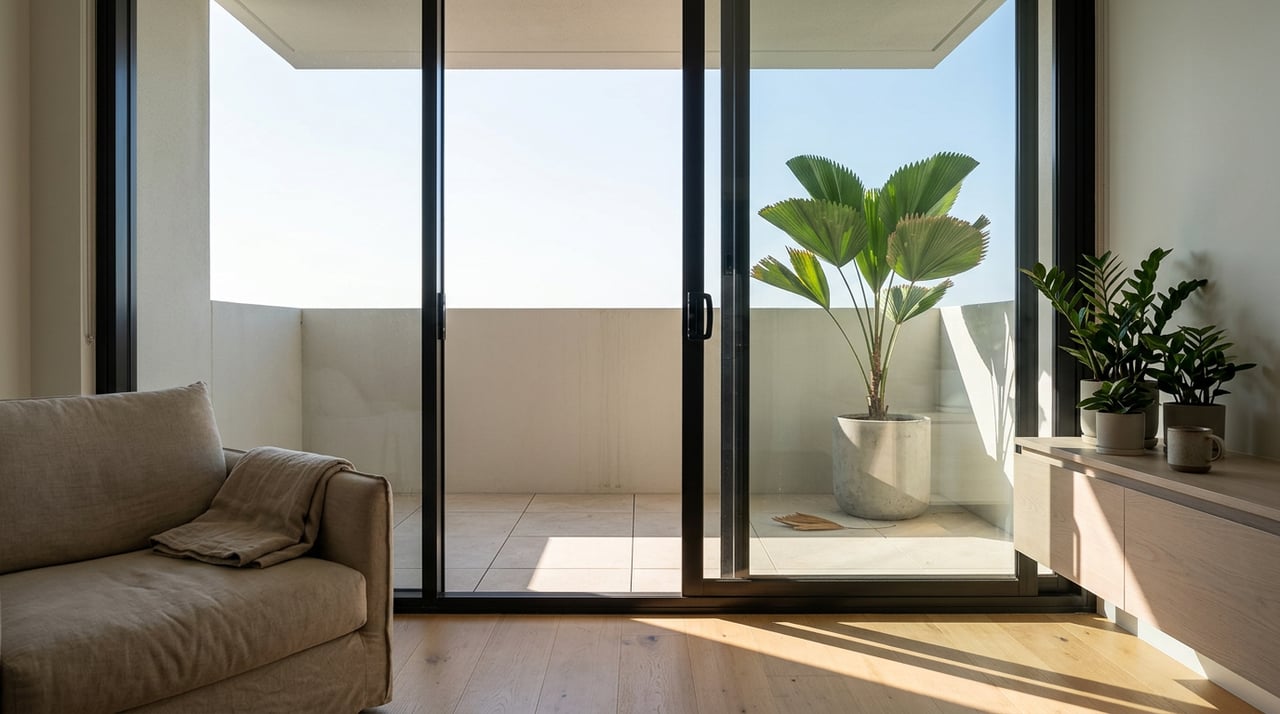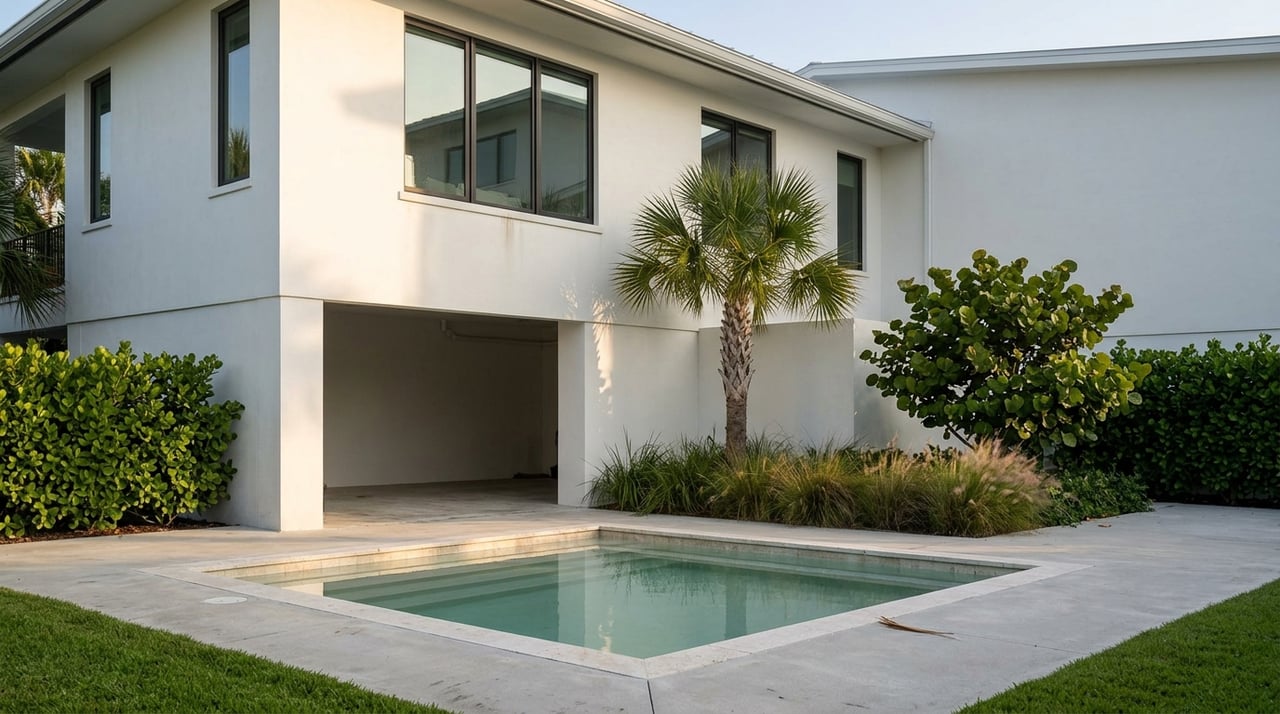
Two houses sit within sight of each other on Vero Beach's barrier island. Same block, same ocean breeze, same walk to the beach. One was framed in 1978. The other was torn down and rebuilt after 2002, to the code that followed. Ask an insurance underwriter which one is the better risk and the answer has nothing to do with which side of the street gets the better sunset. It has to do with the year stamped on the permit.
That distinction is becoming the most important number in Vero Beach real estate this year, and most of the headlines about Florida's 2026 insurance turnaround are missing it entirely.
What the Headlines Got Right
The topline story is accurate. Florida's property insurance market spent 2026 correcting itself after a brutal stretch. Citizens Property Insurance Corporation, the state's insurer of last resort, is recommending an average 8.7 percent decrease for policyholders at renewal this year, with more than 150,000 policyholders seeing reductions of 10 percent or greater. State Farm has an approved statewide rate cut of 10.1 percent on file, and Florida Peninsula, Security First, and Universal Property & Casualty have filed reductions of their own. Citizens' own December 2025 rate filing shows just how far the underlying math has moved: the actuarially sound premium for its core homeowner dwelling policies dropped from an estimated $6,347 in 2024 to $3,617 for 2026, a reduction the filing attributes largely to the litigation reforms passed under Senate Bill 2-A. Citizens' policy count, which peaked near 1.42 million in October 2023, fell to roughly 385,000 by the end of 2025, the lowest level in the corporation's history, as private carriers absorbed hundreds of thousands of policies through the state's depopulation program.
That's the reset. It's real, and it's the reason the conversation among Treasure Coast buyers has shifted this year from whether coastal ownership is affordable to where the money works hardest.
The County Average Hides More Than It Reveals
Here's where the story gets interesting for a barrier island buyer. A statewide Property Insurance Stability Report covering January through July 2026 broke the reset down by county, and the results don't move in lockstep with the statewide narrative:
| County | Jan 2026 Avg Premium | July 2026 Avg Premium | Change |
|---|---|---|---|
| Palm Beach | $6,412 | $6,323 | -1.4% |
| Martin | $5,993 | $5,899 | -1.6% |
| St. Lucie | $3,522 | $3,491 | -0.9% |
| Indian River | $4,453 | $4,334 | -2.7% |
| Okeechobee | $3,754 | $3,730 | -0.6% |
Indian River County, home to Vero Beach, actually posted the largest percentage decline of the five. That sounds like good news for anyone shopping the barrier island. It also tells you almost nothing about what happens to any single property's renewal bill.
A county average blends every policy type, every construction era, and every flood zone into one number. A 2.7 percent countywide decline can easily coexist with a barrier island home that saw no reduction at all, because the credits driving the reset attach to the building, not the address. One Palm Beach County resident quoted alongside that same report put it plainly: his bill has only gone up, never down, no matter what the countywide average shows. That mismatch between the average and the individual bill is exactly what a Vero Beach buyer needs to understand before assuming the reset applies to the house they're underwriting.
The Mechanism: Why 2002 Is the Number That Matters
Florida overhauled its statewide building code in 2002 after a string of storms exposed how much older construction failed to perform. Homes built or substantially rebuilt after that code took effect typically qualify for wind mitigation credits tied to roof-to-wall connections, opening protection, and roof shape, the same features Citizens and private carriers weight heavily in underwriting. Older wood-frame stock on the barrier island, much of it built well before that cutoff, doesn't automatically qualify for the same credits even if the roof was replaced or the home was otherwise well maintained.
That's the mechanism behind the gap between the statewide narrative and the barrier island reality. Florida's insurance market is genuinely getting healthier. But the reset is compounding fastest on the property type that already had the best underwriting profile, which means the cost-of-ownership gap between mitigated and unmitigated coastal homes is widening even as average premiums fall.
What the Transaction Data Already Shows
Buyers appear to have priced this in before the insurance industry finished explaining it. An analysis of first-half 2026 MLS sales on the Treasure Coast, released in July 2026, found that every luxury transaction over $1 million on Hutchinson Island in that period involved a home built after the 2002 code update. In Vero Beach specifically, 43.6 percent of homes sold above $2 million were post-2002 construction, a disproportionate share given how much of the barrier island's older housing stock predates that line.
The same analysis put the cash buyer share across Treasure Coast luxury transactions at 62.7 percent, a detail that matters more than it first appears. A cash buyer isn't required by a lender to carry flood or wind coverage at all, which means a large share of the barrier island's highest-value transactions are happening independent of insurance underwriting as a financing gate. When insurance stops being a lender requirement and becomes a discretionary cost-of-ownership decision, buyers with the means to choose are increasingly choosing the construction era that keeps that cost predictable, not just the one that clears a mortgage approval.
What This Means If You're Comparing Vero Beach Properties Right Now
A house on the barrier island and a house west of Indian River Boulevard can carry the same list price and produce completely different total costs of ownership, and the reason usually has less to do with wind exposure than buyers assume. A well-mitigated barrier island home built to current code can underwrite better than an older mainland property with an aging roof and no documentation on file.
A few things worth doing before you get attached to a specific address:
- Ask for the wind mitigation inspection report before you write an offer, not after. If the seller doesn't have one, budget for a new one, since it typically costs a few hundred dollars and can materially change your quote.
- Confirm the year of construction against 2002, and if the home was substantially renovated after a casualty loss, ask whether that rebuild brought the structure up to current code.
- Get an actual insurance quote on the specific property before your offer is accepted. A countywide average, even a favorable one like Indian River's 2.7 percent decline, tells you nothing about what your policy will cost.
- Treat flood coverage as its own decision. Homes in FEMA high-risk zones common on the barrier island need flood insurance separate from the homeowners policy, and that cost doesn't move with the same reforms driving the wind and liability side of the market down.
- If you're a cash buyer, don't skip the underwriting conversation just because a lender isn't forcing it. The construction-era gap shows up in resale value and in your own risk exposure whether or not a mortgage company is watching.
FAQ
Does Indian River County's 2.7 percent average decline mean my renewal will go down too? Not necessarily. That figure blends every policy in the county across every carrier and construction type. Your renewal depends on your home's roof age, mitigation documentation, and flood zone far more than it depends on the county average.
Is the barrier island still worth the premium over mainland Vero Beach in 2026? That depends on the specific property more than the general location. A newer, well-mitigated barrier island home can now underwrite more favorably than an older mainland home, which is a reversal of how most buyers still think about the comparison.
If I'm paying cash, do I still need to worry about insurance costs? Yes. Skipping the lender's insurance requirement doesn't remove the cost or the risk. It just means you're the one absorbing it directly, which is exactly why cash buyers on the Treasure Coast are gravitating toward newer construction rather than ignoring the question.
Where can I check current rate filings for Florida carriers? The Florida Office of Insurance Regulation maintains public filings, and Citizens Property Insurance Corporation publishes its rate recommendations directly on its own site each year.
The insurance reset is a real tailwind for Florida ownership costs, but it isn't handing out savings evenly, and a Vero Beach buyer who treats the barrier island as one uniform risk pool is going to misprice at least one comparison this year. If you're weighing a specific address against what it will actually cost to hold, Amax Real Estate can walk the construction history, the mitigation documentation, and the underwriting math with you before you write an offer, not after you're already under contract. Schedule a consultation and bring the address.