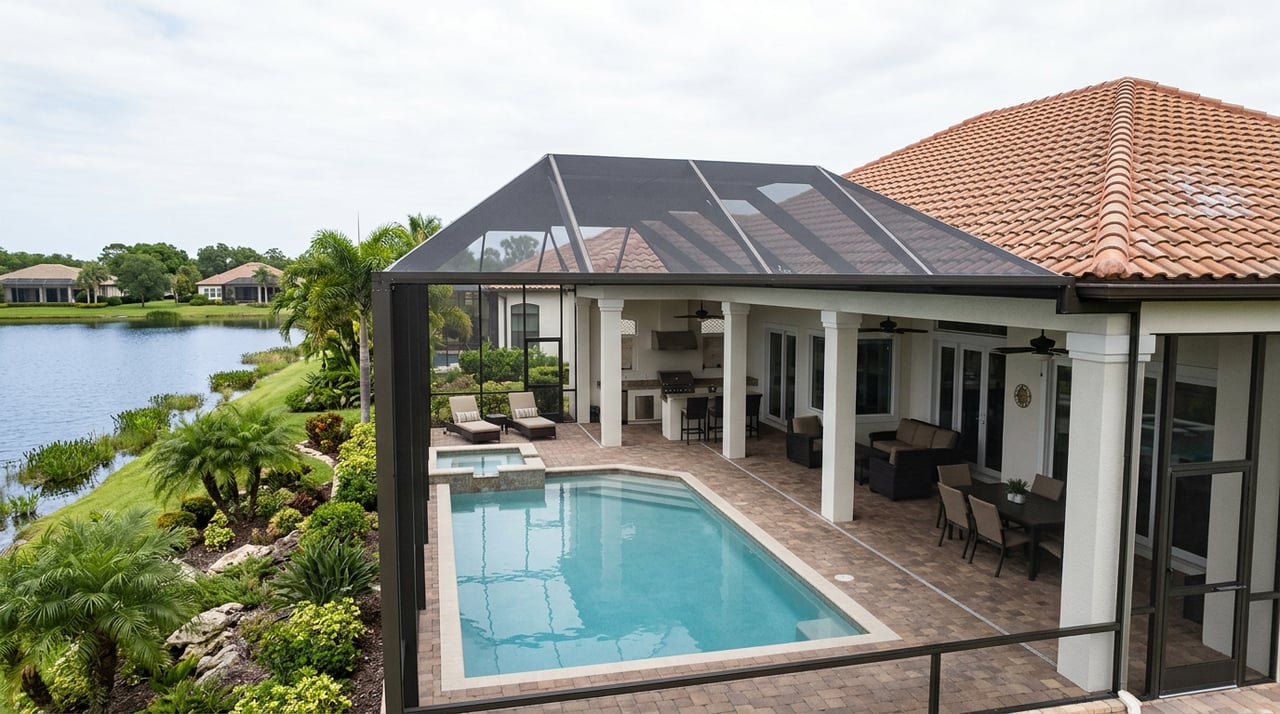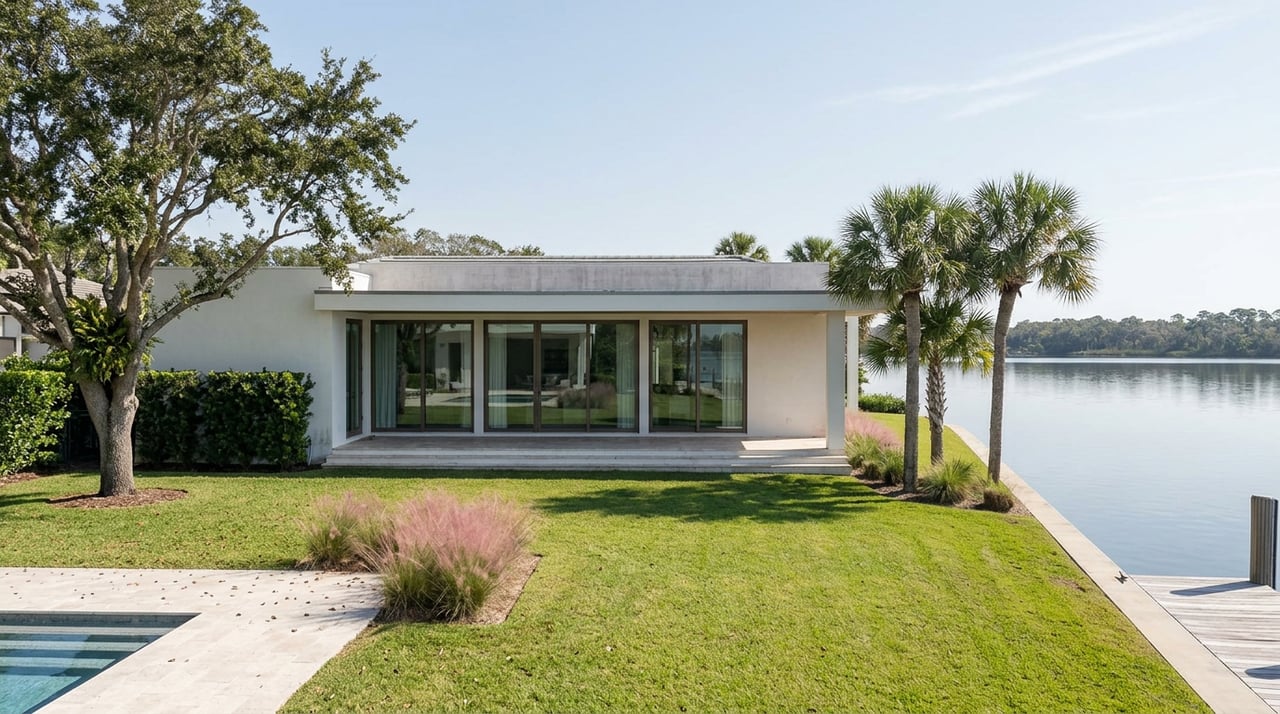
Ask two condo buyers on Flagler Drive what they paid and you'll get two clean numbers. Ask them what they actually owe, and only one of them will know the answer.
That gap didn't exist five years ago in the same way it does now. Florida rewrote the rules on how condominium buildings inspect themselves, save for repairs, and disclose the results, and the rewrite is now fully in force. For a buyer comparing a new tower on South Flagler Drive to an older building three blocks away, the price per square foot tells you almost nothing about which one is the better deal. The number that tells you that is buried in a document most buyers never ask to see before they fall in love with the view.
The Same View, Two Different Bills
Walk the Flagler Drive corridor today and you're looking at two generations of building stock standing next to each other. South Flagler House, the Related Ross tower at 1355 South Flagler Drive designed by Robert A.M. Stern Architects, broke ground in April 2024, topped off in November 2025, and is tracking toward a 2027 completion. It's part of a current wave of new construction on and near the corridor that also includes Forte, Mr. C Residences, Olara Residences, and The Ritz-Carlton Residences. These buildings arrive with reserve funding baked into their budgets from day one, because current law requires it.
A few blocks inland, the picture is different. The SoSo district, the El Cid and Prospect Park area, the downtown waterfront near Clematis and The Square, and the emerging North Flagler and Northwood corridor are home to buildings constructed anywhere from the 1960s through the 2000s. Many of these associations spent decades voting to keep dues low by underfunding reserves, a practice that was legal until recently and common across the state. Those buildings are now required to catch up all at once, and the size of that catch-up is the number that should matter more to a buyer than the listing price.
The Law That Changed What Due Diligence Means
The current rules trace back to Senate Bill 4-D, passed in 2022 after the Champlain Towers South collapse in Surfside, and refined by Senate Bill 154 in 2023 and House Bill 913 in 2025. Together they created two distinct requirements for any residential condo or co-op building three stories or taller: a milestone structural inspection and a Structural Integrity Reserve Study, or SIRS.
The milestone inspection is a life-safety check performed by a licensed architect or engineer. Buildings within three miles of the coast, which describes nearly every condo on the Flagler Drive corridor, face their first inspection at 25 years of age rather than 30. The SIRS is a different document entirely. It looks at the building's financial ability to pay for future repairs to eight structural categories: roof, load-bearing walls, floor, foundation, fireproofing, plumbing, electrical, and waterproofing.
The deadline that matters most for anyone shopping this year already passed. Associations that existed before July 1, 2022 had until December 31, 2025 to complete their SIRS. As of January 1, 2026, buildings can no longer vote to waive or underfund reserves for those structural components. Boards used to be able to poll owners and agree to keep monthly fees artificially low. That option is gone for anything the SIRS covers. If the study says a building needs to be saving a certain amount each month, the association has to collect it, full stop.
What an Underfunded Reserve Actually Costs Somebody
This isn't theoretical. Buildings elsewhere in South Florida that deferred maintenance for years have already seen what happens when the bill comes due all at once. In 2024, owners at The Cricket Club in North Miami were hit with special assessments as high as $134,000 per unit, and owners at Mediterranean Village in Aventura saw assessments reach $400,000 per unit. Neither number came from a sudden structural failure. Both came from years of underfunded reserves finally being measured against a mandatory study, in buildings that look, from the street, exactly as sound as anything on Flagler Drive.
Statewide, average condo association insurance costs more than doubled between mid-2022 and 2024, which compounds the pressure on any building already catching up on reserves. Put those two forces together and the math is straightforward: an association with a strong, fully funded SIRS is a manageable monthly line item. An association that's behind is a five- or six-figure bill waiting for a trigger.
Reading the Reserve Study Before You Write an Offer
A buyer's agent working this corridor should be able to walk you through a building's SIRS the way a lender reads a balance sheet. For each structural category, the study lists the remaining useful life, the replacement cost, and the reserve balance currently allocated to it. Divide the balance by what's needed to fully fund that item and you get a funding percentage. A component with less than ten years of remaining life and a funding percentage well below what the study recommends is the clearest early warning sign a document like this can give you, well before an assessment vote ever happens.
Before you write an offer on any building along this corridor, ask for:
- The most recent milestone inspection report and any follow-up engineer or contractor proposals
- The current SIRS and the reserve balance by line item, or written confirmation that no study has been completed
- The estoppel certificate showing outstanding assessments, arrears, and pending votes
- Board meeting minutes from the last 12 to 24 months
- Insurance declarations pages for the master policy, including named-storm deductibles
- Any bids, invoices, or owner notices tied to planned or ongoing structural work
For a new building like South Flagler House, the SIRS requirement still applies even though the tower is brand new. Height triggers the mandate, not age, so a 2027 completion doesn't exempt an association from filing a study. What it does mean is that a new building's first SIRS should show near-full funding from the outset, which is a meaningfully different conversation than reviewing decades of deferred maintenance in an older tower.
Why the Condo Market Is Soft While Single-Family Isn't
As of mid-July 2026, Palm Beach County's single-family market and its condo market are telling two different stories. Single-family homes carried a median of $700,000, up 11.8 percent year over year, with only 3.9 months of supply and a median of 42 days to contract, according to MIAMI Association of Realtors data reported through the Southeast Florida MLS. Condos and townhomes over the same period sat at a median of $325,000, up a modest 3.2 percent year over year, with 7.2 months of supply and 68 days to contract.
That split gets attributed to interest rates most of the time, and rates are part of it. But rates alone don't explain why the condo segment specifically has stretched into buyer's market territory while single-family stayed tight. Part of the answer is sitting in the paperwork. Buyers who once accepted an unknown reserve position now ask for the documents first, and lenders increasingly require it too. Buildings with significant deferred maintenance or thin reserves can land on a non-warrantable list, which cuts off conventional, FHA, and VA financing entirely and shrinks the pool of buyers who can even make an offer. A slower, more document-driven purchase process shows up in the data as longer days to contract and softer price growth, exactly what the numbers above show.
A condo with a clean SIRS and a strong reserve balance isn't competing against every other unit with a similar view. It's competing against a much smaller group of buildings that can actually prove they're paid up.
What This Looks Like at the Closing Table
When a milestone report or SIRS turns up a funding gap during a pending sale, the timeline changes. The association may need to convene an emergency meeting, vote on a special assessment, or apply for financing before the transaction can close cleanly. Lenders may pause the loan until a repair plan is in place, or insist that critical items be resolved or escrowed first. Any of that can add days to weeks to a closing that looked routine at contract signing.
A contract written with this in mind should require delivery of the estoppel and the most recent milestone or SIRS documents within a set number of business days, specify who's responsible for any newly discovered repair costs between contract and closing, and give the buyer a right to confirm lender acceptance before final approval. None of this is about walking away from every older building on Flagler Drive. Some of the strongest value on the corridor sits in buildings with clean records and reasonable dues precisely because their boards did the funding work early. The goal is knowing which building that is before you're the one who owns the answer.
FAQ
Does a passed milestone inspection mean a building's finances are fine? No. The milestone inspection checks structural safety right now. The SIRS is the separate document that checks whether the association has saved enough to pay for future repairs. A building can pass its milestone inspection and still carry a serious reserve funding gap.
Can a seller avoid disclosing a pending special assessment before closing? The estoppel certificate is designed to prevent that. It's requested from the association, not the seller, and it's meant to show outstanding assessments, arrears, and any votes in progress. Request it early rather than treating it as a closing formality.
Does the SIRS requirement apply to a building that hasn't been completed yet, like South Flagler House? Yes. The mandate is triggered by a building's height, three stories or more, not its age. A newly delivered tower still needs a SIRS on file, and reviewing that first study is a useful way to confirm the association started its funding obligations on solid footing.
Buying on this corridor rewards the buyer who reads the reserve study as carefully as the floor plan. If you're comparing a new tower to an established building on Flagler Drive and want help pulling the right documents before you write an offer, Amax Real Estate can walk you through what each building's numbers actually mean. Schedule a consultation and bring your short list.